Private island buyouts are won or lost in the guest logistics.
A private island can be the most controlled version of luxury travel: no lobby traffic, no strangers at breakfast, one setting for family, celebration, retreat, or wedding guests to settle into a shared rhythm. The quiet risk is that island privacy can make small operational misses feel larger. Access, staffing, room hierarchy, weather, medical readiness, and total commercial terms need to be understood before the deposit becomes emotional.
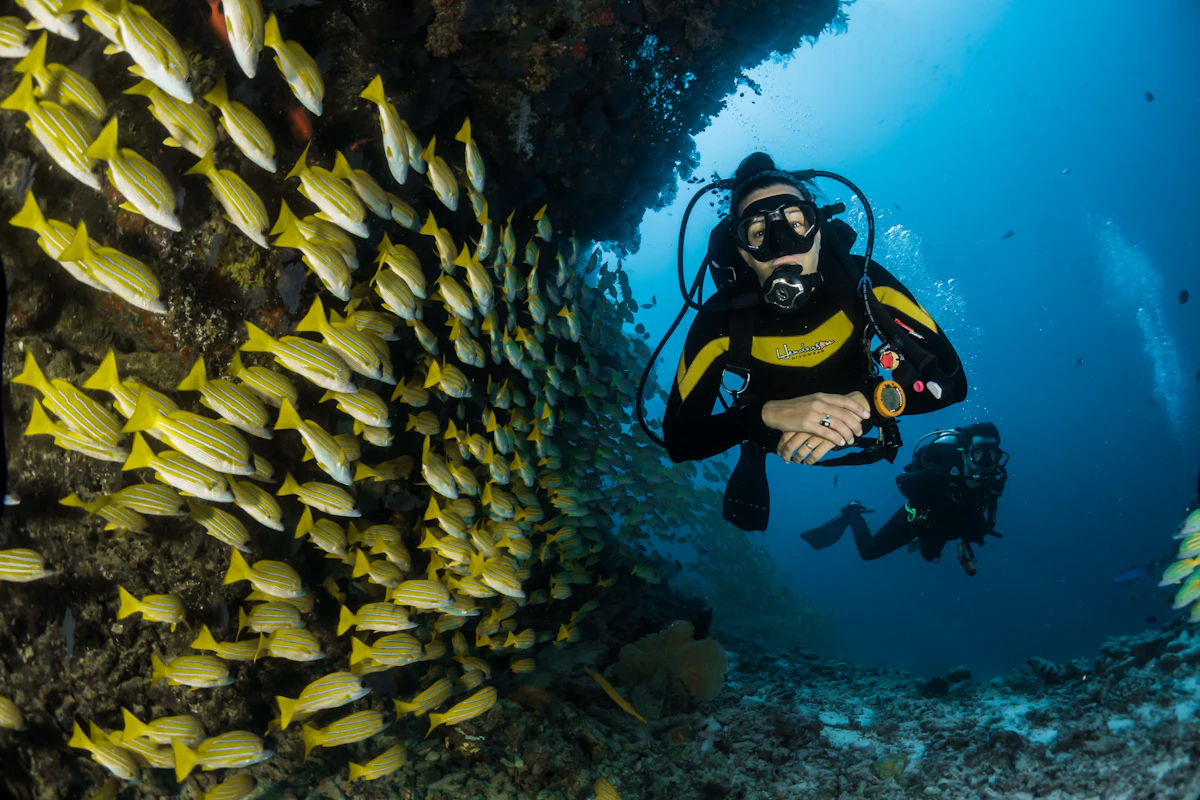
The island photo is only the beginning of the decision.
Private island marketing naturally starts with the aerial image: white sand, clear water, a ribbon of villas, and no visible crowd. That image matters, but it does not answer the buying question for an affluent family, destination wedding host, family-office principal, or executive retreat planner. The better question is whether the island can move, feed, protect, and entertain the exact people traveling in the exact season being considered.
An island that is perfect for twelve adults may be awkward for a multigenerational group with infants, grandparents, aides, and different sleep patterns. A resort that handles romantic couples beautifully may not have the meeting privacy, villa separation, boat access, or weather alternatives required for a leadership retreat. The right shortlist begins with guest logistics, not with the most cinematic shoreline.
Access should feel effortless, but it has to be engineered.
Private island arrivals often involve more than a simple airport transfer. Guests may need a scheduled boat, seaplane, helicopter, domestic flight, resort launch, immigration step, luggage handoff, or weather-dependent final leg. For a couple, that can feel adventurous. For a wedding party, executive group, or family with children and older relatives, the same transfer can become the first stress test of the trip.
Before comparing islands, map the arrival day minute by minute. Which airport is realistic for private and commercial arrivals? What happens if a flight is late? Can VIP assistance, customs support, child seats, shaded waiting space, refreshments, and accessible boarding be arranged? Is the final transfer safe after dark, or should arrivals be staged the day before? The most elegant island buyouts usually include a conservative arrival plan that protects the first evening from becoming a logistics recovery session.
Privacy is not the same thing as equal comfort.
Room allocation can become political on an island. Hosts often see an island as a shared private world, but guests still notice bedroom size, view, distance from the beach, outdoor showers, plunge pools, steps, sound exposure, and proximity to social spaces. In a family setting, the principal suite, children’s rooms, nanny rooms, grandparent access, and guest-couple separation all matter. In a wedding setting, the couple, immediate family, wedding party, planner, hair and makeup team, and late-arriving guests may each need different placement.
The practical step is to request a room map before falling in love with the total key count. Count real sleeping positions, not optimistic brochure language. Note which rooms are clearly premium, which are secondary, which require stairs or carts, and which are best used for staff or younger guests. A buyout feels generous when the room plan is honest before invitations or internal approvals go out.
Staffing should match the event rhythm, not only the occupancy number.
Island staffing varies widely. Some properties operate like a refined small resort, with culinary, housekeeping, maintenance, watersports, spa, childcare, security, and management teams already in place. Others feel closer to a staffed villa model, where the team is excellent but slimmer and special requests require advance contracting. Neither is automatically better. The right answer depends on how the group will use the island.
A destination wedding weekend may need rehearsal dinner support, vendor meals, late-night transport, beauty-team space, ceremony backup, welcome amenities, and separate guest flows. An executive retreat may require confidential meeting rooms, strong connectivity, production support, quiet meals, late work calls, and predictable coffee service. A family milestone may care more about childcare, dietary flexibility, shaded beach service, watersports supervision, and a chef who can handle both celebratory dinners and simple child-friendly lunches without friction.
A private island quote should explain the whole stay.
Confirm included arrival and departure transfers, aircraft or boat supplements, luggage movement, late-arrival terms, weather alternates, and guest-by-guest timing.
Understand whether rates are all-inclusive, half-board, consumption-based, chef-menu based, premium-beverage excluded, or subject to event surcharges.
Ask about wedding, retreat, production, outside-vendor, corkage, setup, cleanup, music, overtime, service-charge, and site-fee rules before invitations or agendas are finalized.
Review payment dates, cancellation language, weather and force majeure terms, insurance expectations, damage deposits, taxes, and what changes once the island is fully held.
Privacy should come with a practical backup plan.
Island weather is part of the product. Wind, tides, rain, heat, sea state, seasonal storms, and mosquito pressure can shape the trip as much as interiors or cuisine. Luxury planning does not mean pretending weather cannot interrupt the plan. It means knowing which experiences can move, which structures are covered, which boats can operate in likely conditions, where guests gather during rain, and whether a ceremony, meeting, dinner, or beach day has a credible alternate.
Medical and duty-of-care questions also deserve attention. Where is the nearest clinic or hospital? How are urgent transfers handled? Is there a doctor on call? Can dietary, mobility, medication-refrigeration, infant, or allergy needs be supported? For private-client, family-office, and executive groups, information handling and guest privacy should also be defined: who receives names, arrival details, rooming lists, special requests, and security notes.
A stronger island shortlist starts with these filters.
Considering a private island buyout for a family, wedding, retreat, or private-client trip?
Use Calvara’s free six-question Trip Direction Finder for an immediate browser-only recommendation based on your people, pace, priorities, and budget. It does not submit a trip request, send your answers, or promise manual review or follow-up.
Affiliate disclosure: Calvara Travel may earn compensation from partner bookings. No partner approval, preferred status, discount, or special access is implied unless a real approved link or relationship is shown.