Private aviation planning should make a complex luxury trip calmer, not simply faster.
For families, executives, wedding hosts, and family-office teams, private flying is most valuable when it protects the trip design: better routing, fewer handoffs, safer recovery days, cleaner luggage movement, and a more controlled arrival into villas, yachts, safaris, islands, or retreat venues.
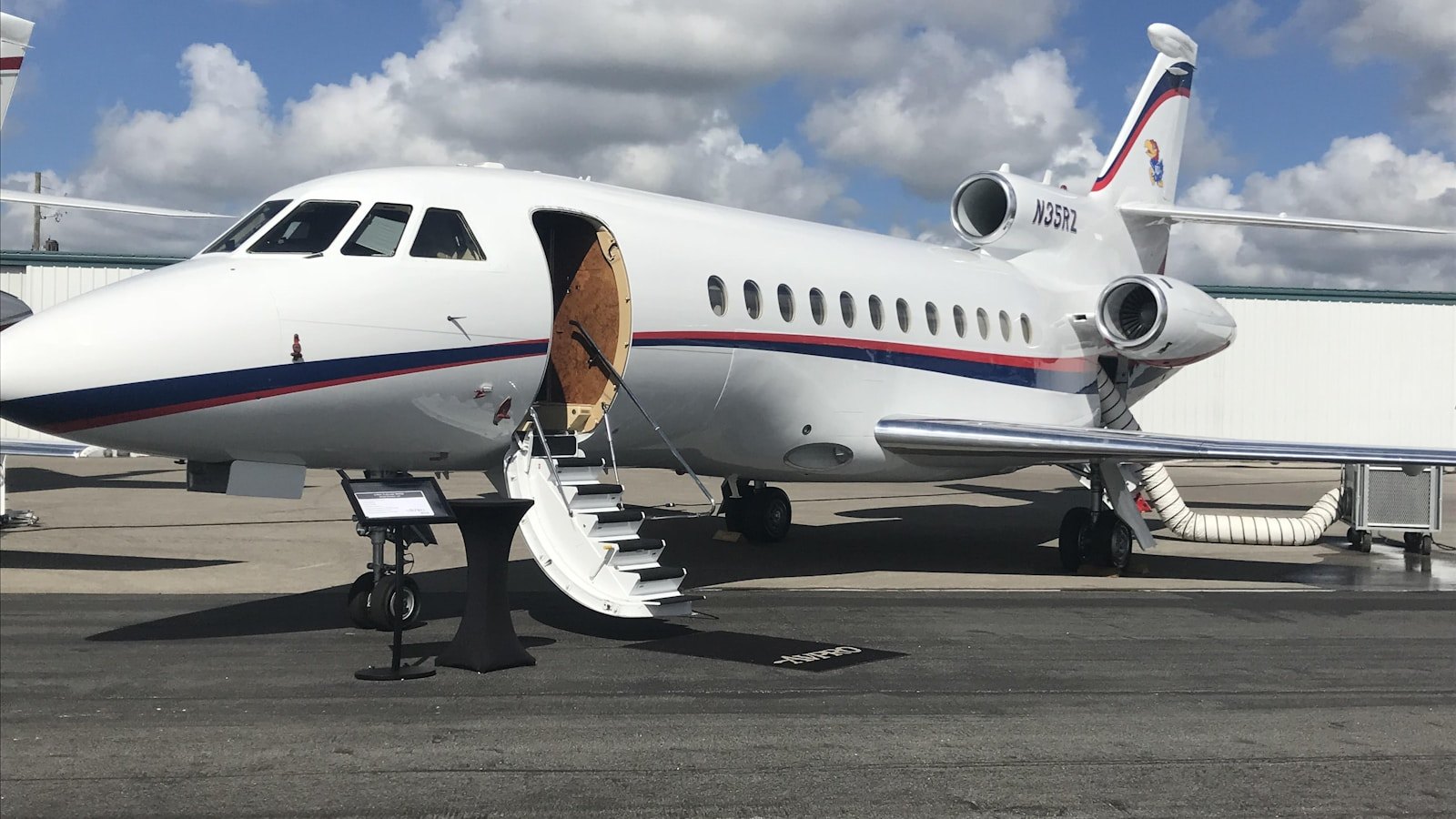
The aircraft is only one part of the operating plan.
Private aviation can turn an ambitious itinerary into a realistic one. It can also hide complexity if the flight is treated as a glamorous add-on instead of the backbone of the trip. A family moving from a city weekend to a yacht, then to a villa, then home through a smaller airport needs more than a quote for hours in the air. The brief should connect aircraft capability, airport choice, customs, luggage, drivers, yacht embarkation times, villa access, staff readiness, and weather contingencies.
The planning question is not “can we fly private?” It is “does private aviation meaningfully reduce friction for this exact traveler mix, route, baggage profile, timing, privacy standard, and budget comfort?” When the answer is yes, the flight plan should be built beside the land and sea itinerary from the beginning.
Start with the airports before falling in love with the destination sequence.
Multi-stop luxury trips often fail at the seams. A villa may look perfect, but the closest airport may have short runway limits, curfew restrictions, customs availability only during certain hours, limited ramp space, or a long road transfer that erases the benefit of flying privately. A yacht may be ready in one port, while the airport that fits the group’s preferred aircraft sits several hours away. Safari camps may require light aircraft legs with strict luggage limits after the main private flight.
Before committing to dates, map the practical chain: departure airport, customs airport, technical stop if needed, arrival field, luggage path, vehicle staging, onward helicopter or boat transfer, backup airports, and recovery time. For senior executives or multi-generational families, a slightly less photogenic route with cleaner access can be more luxurious than a headline destination that requires fragile connections.
Passenger count is not the same as comfort fit.
Aircraft selection should reflect more than the number of seats. Consider cabin length, lavatory comfort, sleeping needs, conference or dining layout, Wi-Fi expectations, baggage volume, pet requirements, catering, crew rest rules, range, runway performance, and whether the group needs privacy zones within the cabin. A jet that technically seats the party may still feel wrong for a honeymoon couple traveling with relatives, a CEO handling confidential calls, or a family carrying ski gear, formalwear, medical equipment, and children’s supplies.
For private clients, luggage is often the reality check. Golf clubs, wedding garments, dive gear, skis, infant gear, wardrobe trunks, product samples, or staff bags can push the trip toward a larger aircraft or a separate freight/luggage plan. Ask for baggage dimensions early, not after the aircraft has been held.
The arrival experience is won or lost before wheels down.
A smooth private flight can still end in a poor arrival if the ground team is not choreographed. Clarify who meets the aircraft, who handles passports and bags, which vehicles are airside or landside, whether child seats are installed, whether security or discreet receiving is needed, and who communicates delays to the villa manager, yacht captain, hotel front office, or event team. The best trips feel quiet because these roles are assigned before the travelers see them.
For destination weddings, retreats, and family-office travel, arrivals may be staggered. One aircraft may carry principals, another may carry relatives or team members, and commercial flights may bring guests or staff. The master arrival plan should show names, flight numbers, vehicle assignments, luggage handling, check-in readiness, welcome food, and what happens when one party is delayed.
Private aviation reduces some risks and introduces others.
Small islands, mountain valleys, safari strips, and winter airports can be affected by wind, fog, snow, heat, or runway conditions. Confirm alternates and transfer plans.
For elderly travelers, infants, pregnancy, chronic conditions, or remote routing, understand medical access, evacuation comfort, oxygen needs, and insurance boundaries.
High-profile guests may need discreet terminals, tail-number sensitivity, secure vehicles, NDA-aware vendors, and careful handling of public-facing itineraries.
Passports, visas, pet documents, minor travel permissions, firearms restrictions, medication notes, and customs paperwork should be checked before aircraft release.
A private-flight quote should explain the variables plainly.
Private aviation pricing can include aircraft hourly rates, positioning legs, minimum flight time, crew overnight costs, international fees, de-icing, hangarage, catering, Wi-Fi, ground handling, security, permits, taxes, fuel surcharges, cleaning, pet fees, and cancellation terms. A polished quote should identify what is included, what is estimated, what can change, and when funds become non-refundable.
This matters because the flight is often only one piece of the total trip commitment. If a yacht charter, villa, safari camp, or venue buyout has its own deposit and cancellation schedule, aviation terms need to sit beside those terms. The goal is not to make every cost fixed. It is to prevent surprises from arriving after the client has already committed elsewhere.
Use aviation where it protects the whole journey.
Private aviation is often strongest for short-notice executive retreats, remote villas, yacht embarkations, safari combinations, multi-generational trips with limited stamina, destination weddings with key-family movements, and itineraries where commercial schedules force wasted nights. It is less compelling when the destination has excellent nonstop premium service, simple ground access, modest luggage, and no privacy or timing constraint.
A good planning process is honest about that distinction. Sometimes the luxury answer is private outbound and commercial return. Sometimes it is a helicopter transfer after a scheduled long-haul flight. Sometimes it is moving the villa search closer to a stronger airport. The best solution is the one that makes the full trip calmer, safer, and more coherent.
Qualify the flight plan before the itinerary hardens.
Planning a private flight around a villa, yacht, safari, island, wedding, or retreat?
Use Calvara’s free six-question Trip Direction Finder for an immediate browser-only recommendation based on your people, pace, priorities, and budget. It does not submit a trip request, send your answers, or promise manual review or follow-up.
Affiliate disclosure: Villiers Jets is an approved Calvara affiliate partner. Calvara may earn a commission if you request or book through this link, at no additional cost to you.