Private aviation only feels luxurious when the ground plan is just as precise.
A jet can save hours, protect privacy, and make remote villas, yachts, safaris, weddings, and executive retreats possible. It can also add cost without solving the real friction if airports, luggage, weather, transfers, and guest timing are not planned together.
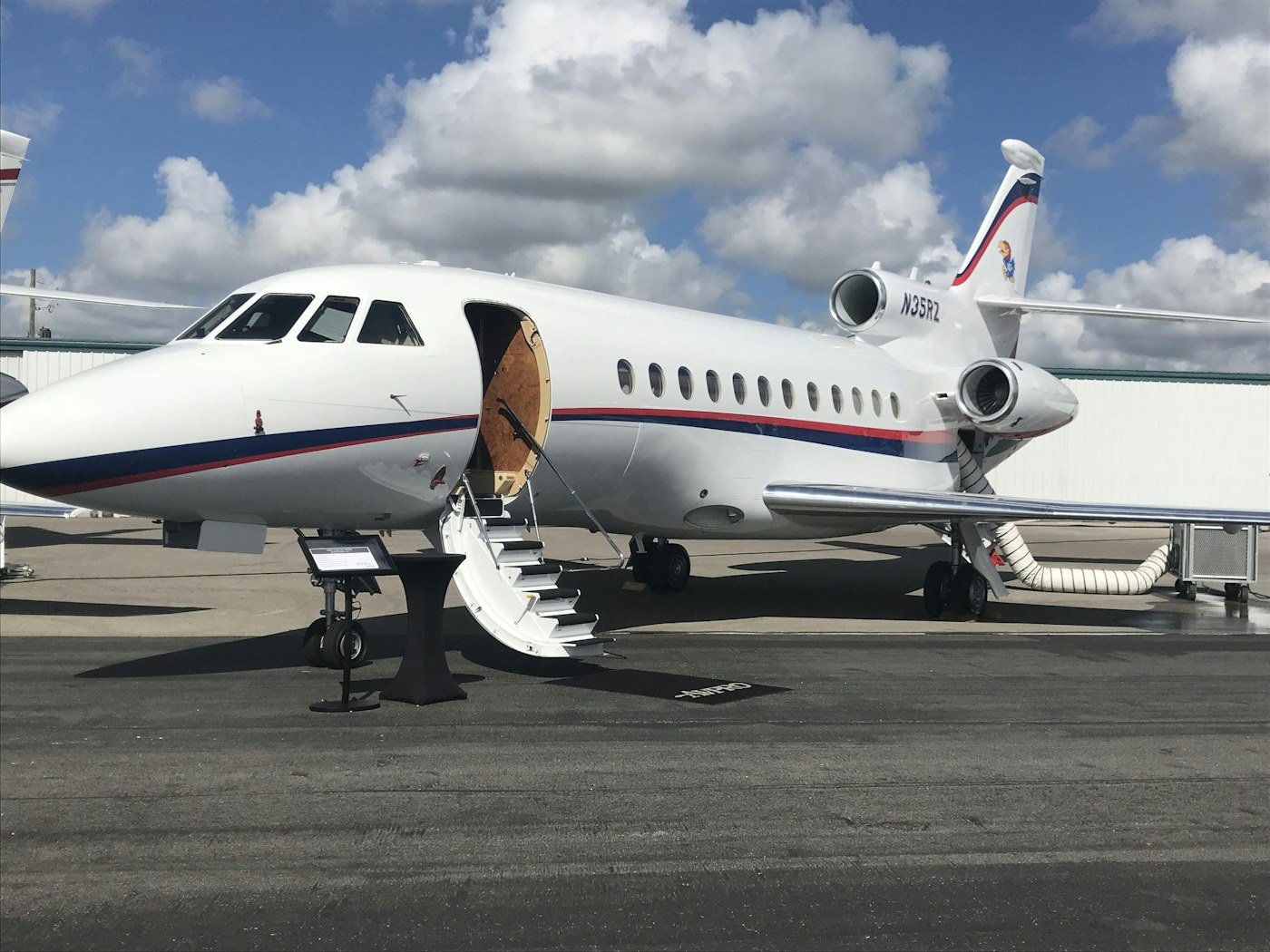
The aircraft is only one piece of the itinerary.
Private aviation is often discussed as a status choice. For serious luxury travel, it is better treated as a logistics instrument. It can compress a complicated arrival day, allow a family to reach a smaller airport near a villa, move an executive team without exposing the agenda, or connect a yacht embarkation with a tight charter window. The best use case is not always the most glamorous. It is the one that removes real operational drag.
Before comparing aircraft, first define what the trip needs to protect: time, privacy, health, children’s sleep, meeting confidentiality, luggage, wedding attire, or access to a destination poorly served by scheduled flights. If the answer is vague, commercial first class plus a strong ground transfer may be enough. If the friction is specific, private aviation may be the cleanest solution.
The nearest airport is not always the best airport.
Luxury travelers often ask how close the villa, lodge, marina, or resort is to the nearest airport. The better question is whether that airport supports the right aircraft, operating hours, customs, fuel, runway length, handling quality, weather reliability, and onward transfer. A tiny airfield may look convenient on a map and still be wrong for the actual aircraft or guest profile.
For international arrivals, customs and immigration can decide the plan. A larger airport with efficient private handling may beat a smaller airport that requires an extra stop. For remote safari, island, or alpine trips, the final movement may still require helicopter, boat, seaplane, or escorted road transfer. The air plan should be built around the full arrival chain, not the airport pin.
Families, wedding parties, and boards do not fly the same way.
Plan around car seats, pets, food, medical needs, luggage volume, nap timing, and whether grandparents need shorter ramps and smoother transfers.
Privacy may matter more than aircraft size. The priority is usually a calm arrival, protected luggage, and no lost first day.
Confidentiality, punctuality, Wi-Fi expectations, airport discretion, and synchronized arrivals can matter more than cabin styling.
Formalwear, vendors, welcome events, elderly guests, and weather buffers need more attention than a simple one-couple transfer.
The luggage plan can quietly break the aircraft plan.
Private flights do not remove physics. Golf bags, ski equipment, wardrobe trunks, dive gear, strollers, presentation materials, wedding garments, wine, and children’s items can change what aircraft makes sense. A cabin that feels generous in photos may have limited baggage volume, especially with full passenger count.
For yacht charters and safaris, luggage also affects the next segment. Soft-sided bags may be required on smaller aircraft. Helicopters and bush planes may have strict weight limits. If a group wants both elegant wardrobes and remote access, luggage needs to be addressed early, not at the FBO when everyone is already committed.
Private does not mean immune to weather or rules.
The strongest private-air itineraries include buffers. Crew duty limits, airport curfews, customs availability, maintenance, de-icing, storms, winds, runway conditions, and slot restrictions can still affect the day. A private flight may be flexible, but it is not magic. For weddings, yacht embarkations, safari lodge connections, and executive agendas, build in margin where the trip cannot afford drama.
This is especially important for one-night positioning before a major event. If a delayed aircraft would cause a missed ceremony, board meeting, charter departure, or safari transfer, the trip needs a conservative arrival strategy. Quiet luxury is boring in the best way: enough buffer that guests never see the problem.
Compare value against friction removed, not just flight hours.
Private aviation pricing can include aircraft category, repositioning, crew overnights, landing fees, handling, catering, de-icing, international permits, taxes, and cancellation terms. A one-way flight may carry repositioning cost. A short hop can be inefficient if the aircraft must move from another city. A larger aircraft may be worth it if luggage, runway, or passenger comfort would otherwise be compromised.
The clean comparison is not private versus commercial in the abstract. It is the cost of the flight against the time saved, privacy gained, risk reduced, and destination access created. For some trips, private aviation is indulgent but unnecessary. For others, it is the piece that makes the entire villa, yacht, safari, wedding, or retreat workable.
Use this private-aviation planning checklist.
Need the air-and-ground plan pressure-tested?
Use Calvara’s free six-question Trip Direction Finder for an immediate browser-only recommendation based on your people, pace, priorities, and budget. It does not submit a trip request, send your answers, or promise manual review or follow-up.
Affiliate disclosure: Villiers Jets is an approved Calvara affiliate partner. Calvara may earn a commission if you request or book through this link, at no additional cost to you.