A multi-generational safari should be designed around stamina, privacy, and the right wildlife rhythm.
For affluent families, the best safari is not simply the most famous reserve or the most dramatic lodge photograph. It is the routing, camp style, guide fit, flight plan, and daily pace that let grandparents, parents, teens, and younger children enjoy the bush without exhausting the group.
Start with the people before selecting the reserve.
Luxury safari planning often begins with a place name: Serengeti, Okavango, Kruger, Laikipia, South Luangwa, the Mara. Those names matter, but they do not solve the family equation. A strong safari brief starts with who is traveling, how they move, what they can tolerate, how much privacy they need, and what kind of wildlife experience will feel rewarding rather than punishing.
A grandparent may love the idea of a twice-daily game drive but not the reality of climbing into a high vehicle before sunrise. A teenager may want photographic intensity and expert guiding. Younger children may need shorter drives, patient meals, and a camp that has clear child policies. Parents may want one extraordinary shared experience without becoming full-time logistics managers. Quiet luxury is not excess activity; it is the sense that every person has been considered before the itinerary is sold.
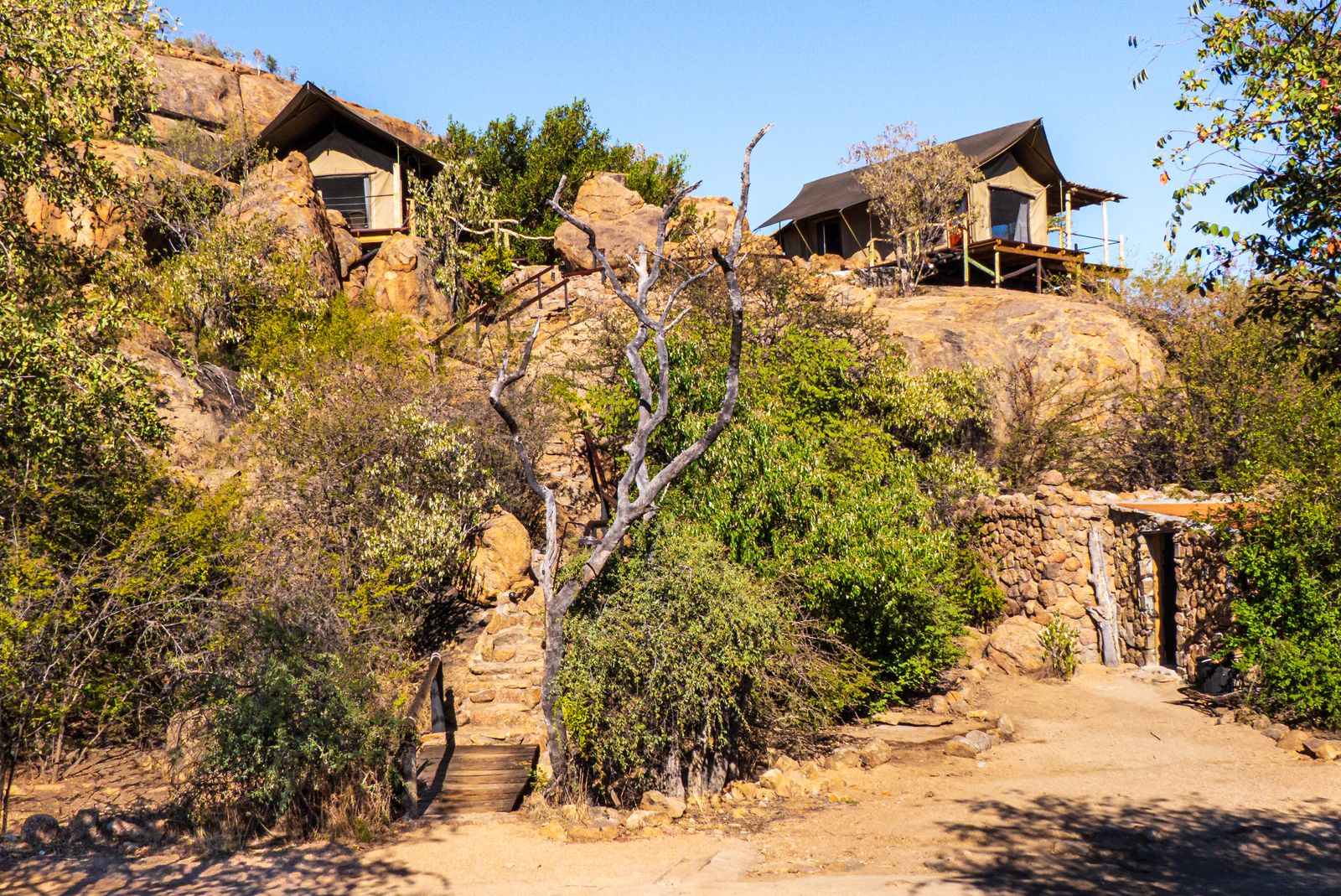
The right lodge depends on how private the family needs to feel.
Some families are happiest in a larger lodge with a strong kids program, multiple dining options, a pool, spa, and enough shared space that guests can separate without leaving the property. Others need a small camp, private villa, exclusive-use house, or buyout because discretion, security, and schedule control matter more than broad facilities. Neither model is automatically more luxurious. The correct choice depends on the family’s social tolerance and service expectations.
Review whether the camp allows children of the relevant ages, whether private vehicles are available or required, how meals are handled for mixed ages, whether interconnecting rooms exist, and whether the lodge layout requires long walks in the dark. For family-office and private-client teams, confirm if staff, nanny, security, or assistant accommodation is realistic. A spectacular camp can become awkward if the supporting entourage has nowhere appropriate to sleep or work.
Game-drive ambition should match the group’s real energy.
Many first safari drafts are too strenuous. Early wake-ups, bumpy drives, midday heat, long transfers, and late dinners can be thrilling for serious wildlife travelers and draining for a family that also wants connection. Before comparing camps, decide how many early mornings are genuinely desirable, whether younger guests can manage quiet vehicle etiquette, and whether anyone needs an option to skip a drive without feeling left behind.
Private vehicles are often worth evaluating for multi-generational trips because they allow the guide to shape duration, stops, conversation level, photography time, and return windows around the family. The value is not only privacy; it is control. A shared vehicle may be perfectly appropriate for some travelers, but it can create friction when one guest wants to track big cats for hours and another needs to return for medication, a nap, or a slower breakfast.
The famous season is not always the most comfortable season.
Wildlife visibility can be excellent, but demand, pricing, dust, and vehicle pressure may rise. Families should weigh sightings against comfort and privacy.
Lush landscapes, newborn animals, birdlife, and softer rates can appeal, but rain, access, and malaria considerations must be checked by region.
Migration windows are never guaranteed like a theatre ticket. Plan around broader habitat, guide quality, and routing rather than one promised river-crossing moment.
Holiday periods compress availability. If the family needs specific suites, private vehicles, or aircraft connections, the planning window should open early.
The safari begins long before the first lion sighting.
The transfer plan can define the entire trip. International arrivals, overnight stops, charter aircraft, luggage limits, soft bags, road transfers, immigration formalities, weather delays, and remote airstrip operations all need to be understood before the family emotionally commits to a lodge sequence. A beautiful camp that requires a punishing connection may still be correct for seasoned travelers, but it may be wrong for a family arriving after long-haul flights with children and older relatives.
Private aviation can reduce friction for some safari itineraries, especially when combining beach, city, wine country, or villa stays with remote camps. It does not remove every constraint. Bush strips have daylight rules, payload limits, weather exposure, and operational requirements. The better question is not “Can we fly private?” but “Which legs should be simplified, and where is the comfort benefit worth the cost?”
Safari pricing should be compared by experience quality, not nightly rate alone.
A safari quote may include lodging, meals, many beverages, activities, laundry, park fees, internal flights, transfers, and guiding, or it may separate several of those items. Premium camps can look expensive until private vehicles, guiding depth, conservation fees, aircraft logistics, and exclusive-use flexibility are considered. Lower nightly rates can become less attractive if the routing adds extra overnights, shared vehicles, weak guiding, or uncomfortable transfer days.
Families should ask for a plain-language inclusions and exclusions summary before choosing. Clarify park and conservation fees, child rates, private vehicle costs, medical evacuation coverage, cancellation terms, luggage restrictions, gratuity norms, visa needs, and whether special meals or celebration dinners are included. The goal is not to make the safari feel transactional. It is to protect the family from surprises after they have fallen in love with a camp.
Pressure-test the itinerary before approving the lodge shortlist.
Planning a safari for a family, private client, or milestone group?
Use Calvara’s free six-question Trip Direction Finder for an immediate browser-only recommendation based on your people, pace, priorities, and budget. It does not submit a trip request, send your answers, or promise manual review or follow-up.
Affiliate disclosure: Safari.com is an approved Calvara affiliate partner. Calvara may earn a commission if you inquire or book through this link, at no additional cost to you.