Mediterranean yacht charters in shoulder season need a different buying filter.
May, early June, September, and early October can be elegant windows for a Mediterranean charter: calmer marinas, softer restaurant pressure, less theatrical heat, and more room for a private family or executive group to travel without peak-season noise. The tradeoff is that the trip needs a sharper operating plan before anyone approves the yacht, route, and deposit.
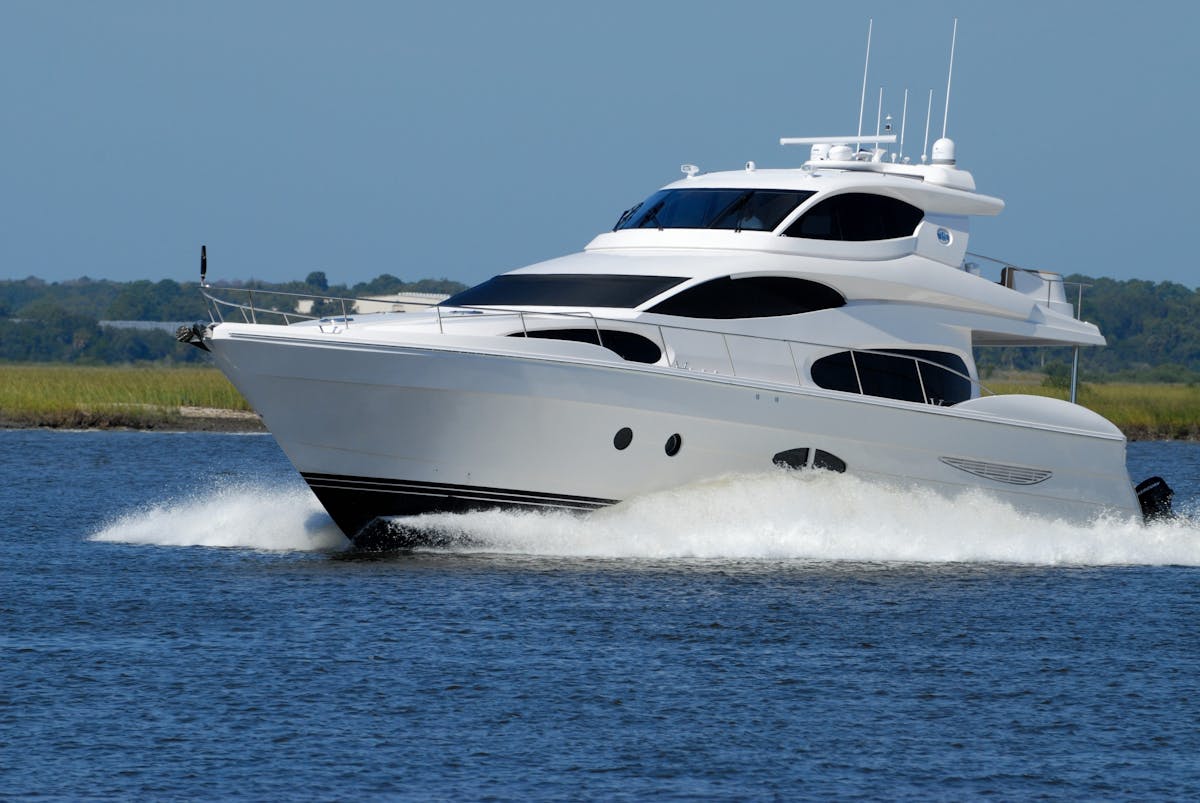
Shoulder season rewards flexible groups, not vague itineraries.
A peak-August yacht charter is often judged by access: the right berth, the right restaurant, the right club, the right week. A shoulder-season charter is judged more by judgment. Weather can be excellent, but it is less automatic. Ports may feel more civilized, but some beach clubs, tenders, clubs, seasonal restaurants, and water-toys providers may be on reduced rhythm. A family that wants privacy, long lunches, swimming coves, and a gentler pace may be delighted. A group that expects every peak-season signal at peak intensity may need different dates.
The cleanest decision starts with the guests, then the route, then the yacht. If the charter is for a honeymoon, milestone birthday, family-office principal, board retreat, or multigenerational family, the buying question is not simply which vessel photographs best. It is whether the yacht, crew, route, season, and shore plan will protect the group's comfort if the sea state changes or the perfect cove becomes a poor choice that day.
Map the day before comparing boats.
A shoulder-season charter should begin with the daily rhythm the guests actually want. Some groups want late breakfasts, short repositioning runs, long swims, quiet dinners aboard, and one or two elegant shore experiences. Others want multiple ports, beach clubs, shopping, historic towns, diving, family activities, and restaurant energy every day. Both can work, but they ask different things from the captain, crew, tender plan, chef, and yacht layout.
For families, the details are practical: ages of children, swimming confidence, nanny or tutor rooms, shaded deck space, rail safety, cabin proximity, motion sensitivity, and whether grandparents prefer fewer transfers. For executive retreats, privacy, meeting space, Wi-Fi expectations, quiet cabins, late-night work calls, and flexible dining matter as much as the route. For honeymooners, the right answer may be a more intimate vessel with stronger service fit rather than a larger yacht that makes the trip feel less personal.
Build a route that can bend without feeling downgraded.
Route design is where shoulder-season charters are won. The itinerary should have desirable primary days and graceful alternatives. In the Western Mediterranean, that might mean resisting a plan that depends on every long crossing landing perfectly. In Greece, Croatia, or the Balearics, it may mean choosing a cruising area where sheltered options still feel worthwhile if wind or sea state changes the order of the week. In Italy or the French Riviera, shore reservations should support the charter rather than imprison it.
A strong route brief names the non-negotiables and the flexible pieces. If a wedding welcome dinner, principal meeting, anniversary dinner, villa handoff, private aviation schedule, or child-friendly day is fixed, the yacht itinerary should respect that anchor. Everything else should be designed with captain discretion. The more a family insists on a rigid Instagram route, the less shoulder season behaves like luxury. The more the brief values mood, service, privacy, and recovery time, the more the season can feel quietly superior.
Cabin hierarchy and crew temperament matter more than length alone.
Length, brand, refit year, and deck photography help narrow the market, but they do not answer the social question. Who gets the principal suite? Are two cabins meaningfully unequal? Is there enough separation between children, guests, aides, and the hosts? Does the salon work for a rainy afternoon? Can the chef support dietary restrictions without making meals feel clinical? Is the crew style polished, relaxed, family-friendly, highly formal, discreet with high-profile guests, or better suited to party charters?
Shoulder season also rewards yachts that function beautifully when guests spend more time aboard. A protected aft deck, comfortable interior dining, good tender operations, stabilizers where appropriate, warm service, and strong captain judgment can matter more than the most aggressive sundeck photo. Buyers should ask how the yacht performs in the specific cruising ground and month, not just whether it is available.
The headline charter fee is only the first number.
Confirm the expected Advance Provisioning Allowance, fuel assumptions, provisioning style, dockage, shore transport, communications, and how unused APA is reconciled.
Check VAT, local taxes, delivery or redelivery fees, embarkation constraints, and whether the desired cruising area changes the commercial basis.
Discuss customary crew gratuity ranges, special provisions, excursions, spa or beach-club days, premium beverages, private guides, and last-mile transfers.
Understand payment dates, cancellation terms, force majeure language, insurance expectations, substitution language, and weather-related discretion before signing.
Use the season honestly rather than selling it as a secret trick.
Shoulder season can be excellent value emotionally, not only financially. Fewer crowds can make ports feel more refined, crews may have more space to personalize service, and guests may sleep better without peak heat. But the season is not a loophole that guarantees peak conditions at softer rates. Sea temperature, weather volatility, restaurant openings, event calendars, local holidays, and marina energy vary by destination and month.
For some clients, September is the elegant answer because the water is still warm and the worst of the crowd pressure has passed. For others, late May or early June offers a fresh start before school schedules and peak traffic. October can work for certain cruising styles but should be chosen with more flexibility and a stronger indoor comfort plan. The point is not to chase the cheapest available week. It is to match the season to the people aboard.
A better yacht shortlist starts with these filters.
Considering a Mediterranean yacht charter for a family, retreat, honeymoon, or private-client trip?
Use Calvara’s free six-question Trip Direction Finder for an immediate browser-only recommendation based on your people, pace, priorities, and budget. It does not submit a trip request, send your answers, or promise manual review or follow-up.
Affiliate disclosure: Calvara Travel may earn compensation from partner bookings. No partner approval, preferred status, discount, or special access is implied unless a real approved link or relationship is shown.