Executive retreat buyouts work when the property supports the room, the rhythm, and the risk.
For a leadership offsite, board retreat, founder summit, or family-office planning week, the right venue is not simply beautiful. It must protect privacy, move senior people smoothly, support focused work, and make every commercial and operational responsibility clear before anyone arrives.
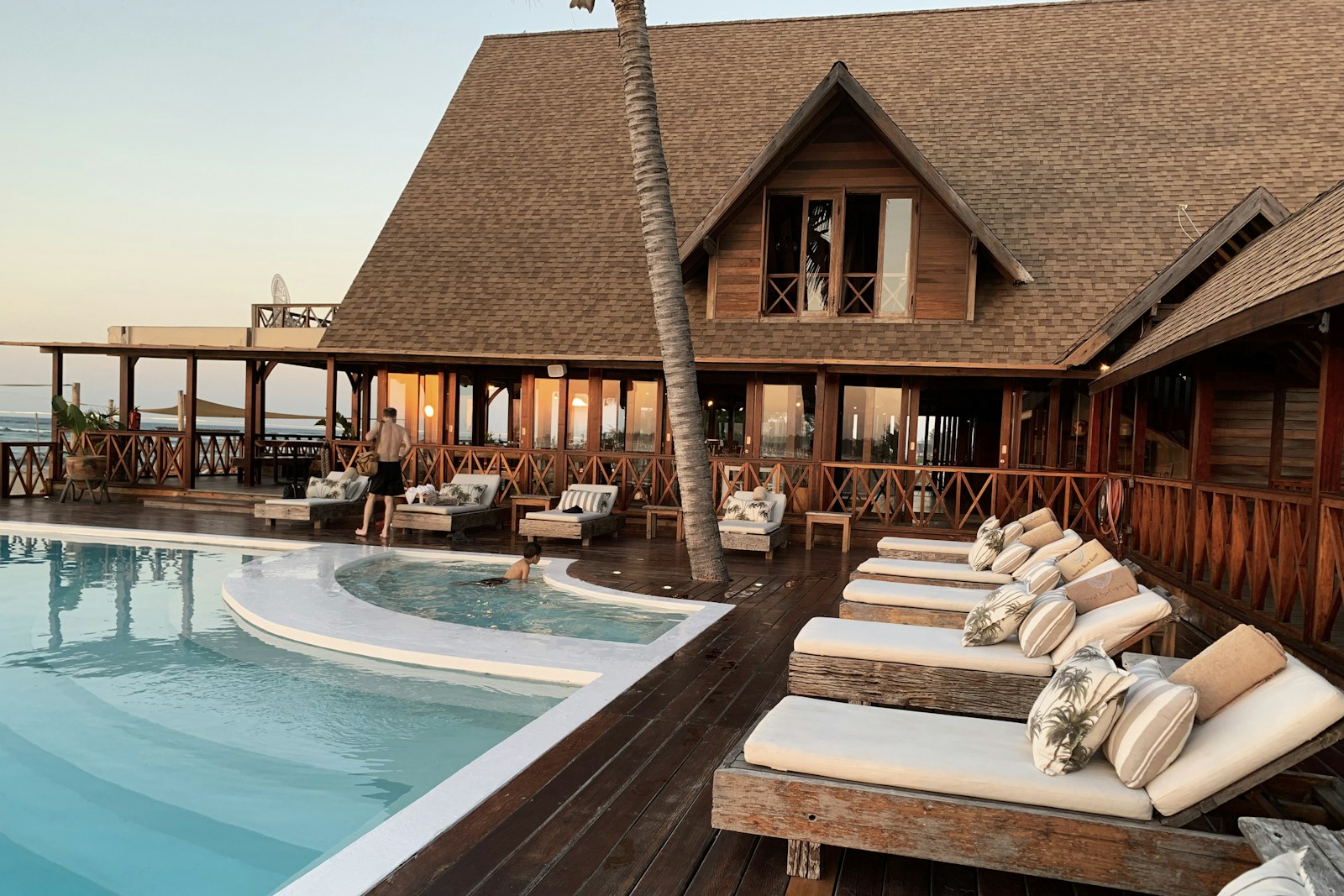
A retreat venue is an operating platform, not a backdrop.
Executive retreat searches often start with the visual shortlist: a coastal resort, a countryside estate, a mountain lodge, a private island, or a boutique hotel that looks calm on a deck. That is useful for taste. It is not enough for the decision. The stronger question is whether the venue can run the agenda without visible friction: arrivals, meeting setup, confidentiality, meal timing, private breakouts, weather changes, security, and quiet downtime.
A conventional luxury hotel can be excellent for individual leisure travel and still be wrong for a confidential leadership week. A private villa can feel exclusive but lack proper meeting support. A full buyout can solve privacy while creating responsibility for minimum spend, staffing, vendors, transfers, and guest management. Before comparing names, define the operating model the group needs.
Confidentiality has to be designed into the property choice.
Privacy for an executive retreat means more than a quiet table in a restaurant. It may require exclusive meeting rooms, controlled guest corridors, private dining, secure luggage handling, discreet arrival paths, no shared elevators near the meeting space, protected outdoor areas, and staff who understand not to discuss names, schedules, or company context. If the retreat involves sensitive strategy, transaction planning, compensation conversations, investor topics, or family-office matters, privacy should be qualified before the venue is emotionally selected.
Ask what parts of the property would actually be exclusive. A “buyout” can mean all rooms, but not necessarily the beach, spa, marina, restaurant, or event lawn. Some boutique hotels can close fully. Larger resorts may offer a private wing while public guests remain elsewhere. Both can work if the client understands the boundaries. The mistake is assuming the word exclusive means the same thing across markets.
The best retreats alternate focus, reset, and informal access.
Senior teams rarely need a ballroom and a stack of banquet chairs. They need a room with natural light, strong acoustics, reliable power, appropriate screens, discreet technical support, nearby restrooms, coffee that appears without interrupting, and breakout spaces that do not scatter the group across the property. A board may need a formal table. A founder team may need soft seating and walls for working sessions. A sales leadership group may need more production, staging, and evening programming. The physical flow should follow the agenda rather than forcing the agenda to fit the venue.
Meal rhythm is part of the work design. Breakfast might be informal but private. Lunch may need to be fast and healthy. Dinner may be the main relationship asset of the retreat. Late arrivals, dietary needs, non-drinkers, jet lag, and early departures should be planned without making any guest feel managed. Quiet luxury shows up as timing that feels natural because the operational details were settled in advance.
Room hierarchy and duty of care matter more than room count.
Confirm suite hierarchy, twin flexibility, bathroom privacy, work surfaces, views, noise, air conditioning, accessibility, and whether any room will feel noticeably inferior to peers.
Map commercial flights, private aviation, train access, driving time, customs, luggage, late arrivals, weather risk, and who owns transfer communication.
Assistants, security, facilitators, photographers, wellness staff, pilots, childcare, or interpreters may need rooms, credentials, meal plans, and separate flow.
Ask about medical access, emergency transport, evacuation options, food safety, water conditions, security posture, insurance expectations, and local operating standards.
Villa, resort, boutique hotel, yacht, or lodge?
A staffed villa or estate can work beautifully for a small founder group, board dinner, or private-client planning session where intimacy matters more than infrastructure. A boutique hotel buyout can offer bedrooms, service depth, meeting rooms, and a controlled public face. A resort wing may be better when spouses, families, wellness programming, golf, spa, or multiple activity tracks are involved. A yacht can create unusual focus and privacy for the right group, but route, cabin hierarchy, weather, and sea-state comfort need careful qualification. A safari lodge or wilderness camp can be memorable for a family-office or incentive-style retreat, but aviation, stamina, medical access, and luggage rules become part of the decision.
The format should be chosen around the group’s actual behavior: how much formal work is planned, how many confidential conversations need to happen, whether spouses or children attend, whether the agenda includes celebration, how much downtime is expected, and how visible the organization wants to be.
A clean retreat estimate includes the invisible costs.
Venue buyouts can hide cost in minimum spends, service charges, taxes, resort fees, staff overtime, meeting-room setup, production, transfers, airport greeters, security, private dining, spa blocks, cancellation terms, attrition, weather plans, vendor fees, and damage responsibility. The lowest room quote is rarely the cleanest financial answer. For private clients and executive teams, surprise line items are usually more damaging than a higher but transparent estimate.
Before deposit, ask for a plain-language all-in model: required costs, optional costs, payment schedule, cancellation exposure, minimums, deposits, staff assumptions, food and beverage structure, tax treatment, vendor restrictions, exclusivity boundaries, and what changes if the final head count moves. If the retreat is being planned through an assistant, chief of staff, family office, or external event planner, this commercial summary should be shareable with decision-makers who were not part of every call.
A stronger retreat brief starts with the operating truth.
Planning a retreat where discretion and execution both matter?
Use Calvara’s free six-question Trip Direction Finder for an immediate browser-only recommendation based on your people, pace, priorities, and budget. It does not submit a trip request, send your answers, or promise manual review or follow-up.
Affiliate disclosure: Calvara Travel may earn compensation from partner bookings. No partner approval is implied unless a real approved link or relationship is shown.