Exclusive-use safari lodge buyouts are privacy decisions first, wildlife decisions second.
For private families, family-office travelers, executive groups, and milestone celebrations, a safari lodge buyout can be extraordinary when the operating model fits the people traveling. The right question is not simply where the animals are. It is whether the camp can carry the group's rhythm with discretion, comfort, safety, and commercial clarity.
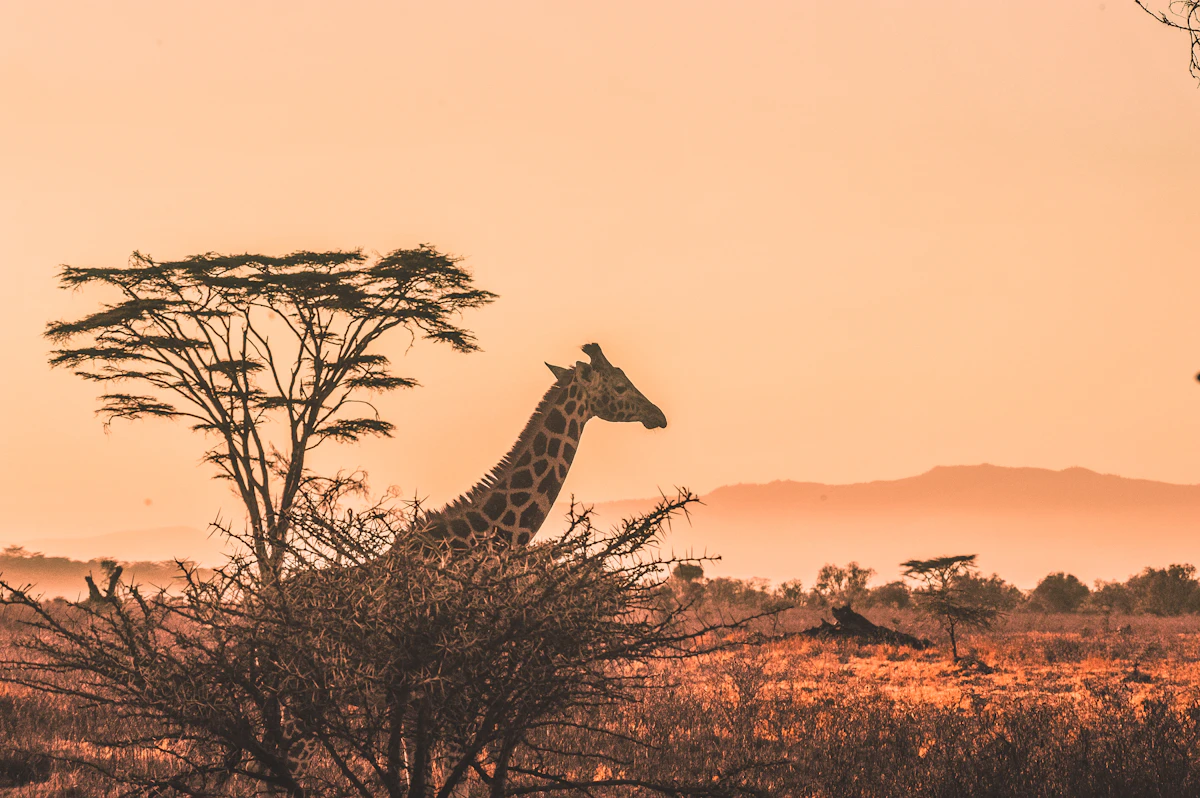
Buy the operating rhythm, not just the camp name.
An exclusive-use safari lodge can give a group control over vehicles, meal timing, guide assignments, common spaces, bedtime noise, privacy expectations, and the social temperature of the trip. That control is valuable for multigenerational families, guests with security concerns, travelers with medical considerations, executive teams that need confidential downtime, and celebrations where the hosts want one composed house-party feeling rather than a hotel lobby experience.
The same buyout can disappoint if the camp's physical and staffing reality is not tested before deposit. A lodge may photograph beautifully and still have uneven room quality, long walks in heat, limited shade, difficult airstrip access, strict park rules, inflexible dining, weak Wi-Fi, or too few vehicles for a group that does not move as one. For luxury safari planning, exclusivity is only useful when it solves the actual traveler profile.
Group composition determines the safari design.
Start with the people, not the destination shorthand. Ages, mobility, heat tolerance, dietary needs, photography goals, sleep habits, privacy preferences, tolerance for early mornings, and medical comfort should all shape the lodge brief. A family with grandparents and young children needs a different structure than a group of adventurous couples. A principal traveling with aides or security may need separate staff rooms, clear information boundaries, private arrival handling, and discreet vehicle plans.
Ask whether everyone can handle predawn starts, bumpy drives, bush walks, small aircraft, luggage limits, and flexible daily timing. If not, the trip can still work; the plan simply needs parallel rhythms. Some guests may take a shorter drive and return for breakfast. Others may want a full photographic vehicle. Children may need supervised activities close to camp. The strongest safari buyouts are designed so the slowest traveler is protected without flattening the experience for everyone else.
Bedroom hierarchy matters as much as game density.
Safari camps often have a small number of suites, tents, villas, or family units. The room count may fit the headcount on paper while failing the social map. Hosts should know which rooms are closest to the main area, which have the best views, which are most private, which require more walking, which can take children, which are suitable for older travelers, and whether staff or protection teams can be housed without compromising guest comfort.
Privacy also has layers. A true buyout may control the guest areas but not necessarily the reserve roads, airstrip, landing schedule, guide radio traffic, neighboring concession activity, or social media policies. If discretion is important, confirm photography boundaries, staff phone use, guest-name handling, transfer signage, and how arrivals are announced. Quiet luxury on safari often comes from small operational rules that guests never notice because they were handled before travel.
The guide plan is the product.
For a private safari group, guide fit can matter more than the suite category. Confirm how many vehicles are included, whether vehicles are private, how guests are assigned, whether specialist photographic or walking guides are available, and how flexible the schedule can be. One vehicle may want long, patient sightings; another may need a gentle loop for children. A senior guide may be excellent for wildlife but not the right social fit for a high-touch family celebration.
Vehicle density also changes the commercial picture. Extra private vehicles, specialist guides, photographic equipment, child-minded activities, walking safaris, night drives, conservation visits, helicopter scenic flights, and private dining can be priced separately. A clear guide-and-vehicle matrix prevents the hosts from assuming that exclusivity automatically includes every experience at the highest level.
Remote beauty requires disciplined logistics.
Check flight reliability, arrival timing, customs comfort, overnight needs, VIP meet-and-assist options, and recovery time before the first safari sector.
Confirm luggage limits, aircraft type, private charter versus scheduled seat-in-plane, airstrip condition, weather exposure, and medical evacuation comfort.
Understand drive length, road quality, heat, dust, bathroom stops, vehicle comfort, and whether older guests or children need a shorter transfer plan.
Protect the final night before long-haul flights, especially when bush aircraft, weather, or border crossings are involved.
The best safari month depends on the travelers' tolerance, not only wildlife calendars.
Seasonality should be discussed in plain language. Dry seasons may concentrate wildlife and simplify roads, but they can also bring peak pricing, busier sightings, dust, cooler mornings, or heat later in the day. Green seasons may offer beautiful landscapes, value, birding, fewer vehicles, or dramatic skies, while also introducing rain, thicker bush, insects, road complexity, or less predictable sightings. No responsible plan should promise specific animals or perfect weather.
For a buyout, seasonality also affects staff depth, air access, cancellation terms, family travel windows, school holidays, and whether a safari should be paired with beach, island, villa, city, or yacht time. A family that needs school-break dates may be better served by a camp that handles children and heat elegantly than by chasing a theoretical best wildlife week that makes the trip too demanding.
A lodge buyout proposal should make exclusions impossible to miss.
Safari proposals can include many elements and still leave expensive ambiguity. Confirm whether rates include conservation or park fees, internal flights, private vehicles, premium drinks, laundry, guide gratuities, staff gratuities, transfers, meet-and-assist, special meals, celebration setup, security requirements, medical evacuation cover, helicopter or fixed-wing charters, and pre- or post-safari hotel nights. Also check child rates, single supplements, minimum stays, deposit schedule, cancellation penalties, and whether the buyout blocks all rooms or only a defined guest allocation.
Calvara may earn compensation from partner bookings, but no partner approval, preferred status, discount, or special access should be assumed unless a real approved relationship or link is shown. The more useful standard is a clean comparison file: total expected cost, included services, optional enhancements, known exclusions, travel-risk assumptions, and who is responsible for each decision before money is committed.
Qualify the lodge around the people who will actually be there.
Considering a private safari lodge buyout or safari-led family celebration?
Use Calvara’s free six-question Trip Direction Finder for an immediate browser-only recommendation based on your people, pace, priorities, and budget. It does not submit a trip request, send your answers, or promise manual review or follow-up.
Affiliate disclosure: Safari.com is an approved Calvara affiliate partner. Calvara may earn a commission if you inquire or book through this link, at no additional cost to you.