Guest travel logistics decide whether a destination wedding feels elegant or crowded.
The ceremony may be the emotional center of the weekend, but guest movement is what guests remember first: how easily they arrived, whether rooms made sense, how transfers were handled, and whether the hosts seemed calm before anyone reached the aisle.
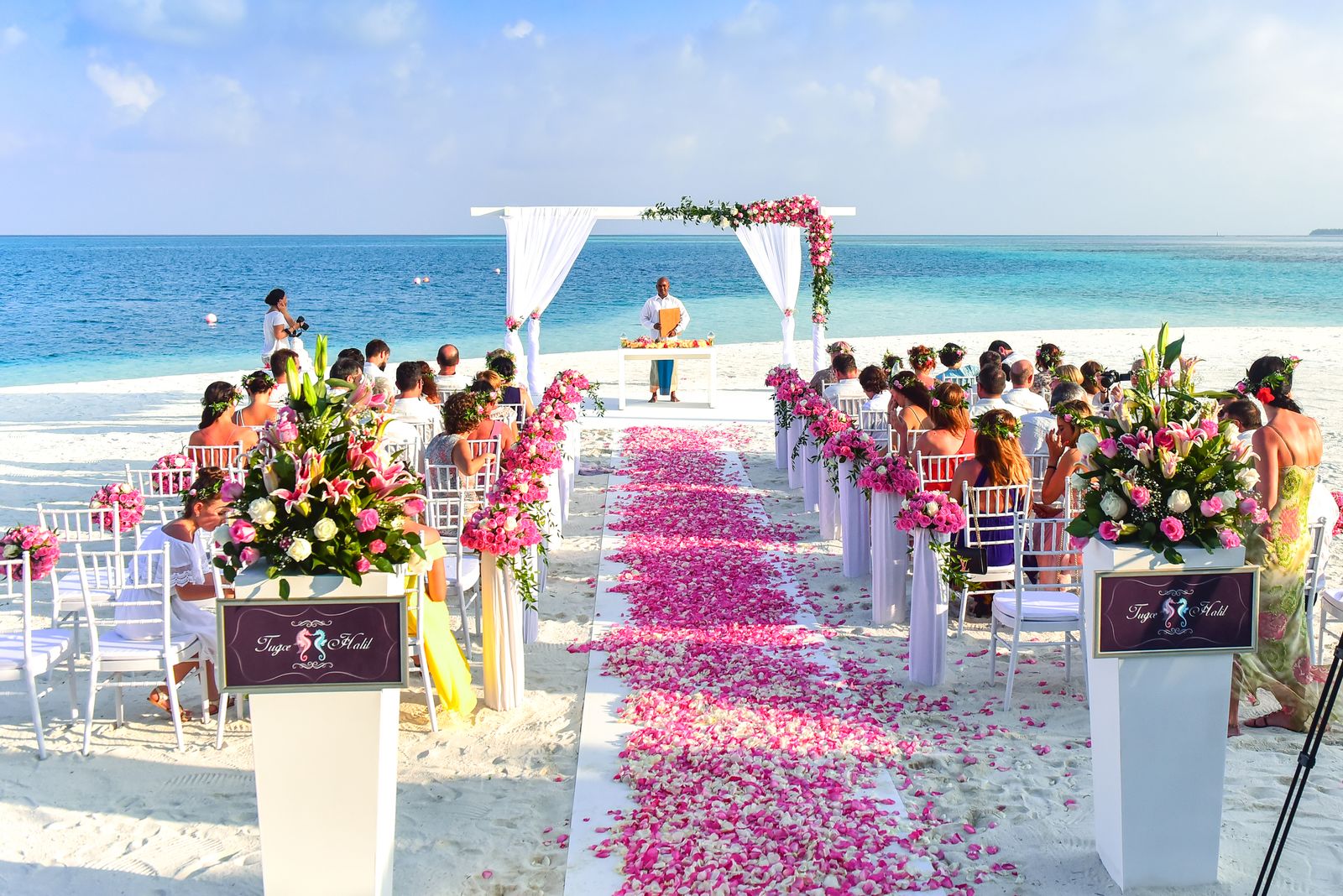
Design the guest journey before choosing the prettiest venue.
Luxury destination weddings often begin with a view: a villa lawn, a beach club terrace, a chapel above the water, a Tuscan estate, a Caribbean resort, or a private island. The view matters, but it should not be the first operational decision. For a private family, wedding planner, or concierge team, the more useful starting point is the guest journey. How many people are traveling, where are they flying from, how much hand-holding do they need, and which guests require privacy, accessibility, childcare, security, medical proximity, or extra schedule protection?
When those answers come early, the venue brief becomes sharper. A beautiful estate may be wrong if it forces every guest through difficult transfers. A resort may be useful if room categories, restaurants, and backup spaces solve the group's complexity. A villa buyout may feel more personal, but only if bedrooms, bathrooms, staff areas, catering permissions, vendor access, and weather alternatives are honest. The right wedding setting is the one that can carry both the celebration and the practical weight around it.
The first luxury is a clean arrival.
Most destination wedding stress appears before the welcome event. Flights land at different times. Grandparents may need assistance. Bridal party members may be carrying garments, gifts, equipment, or children. VIP guests may not want a public lobby scene. A delayed connection can ripple into rehearsal timing, makeup calls, vendor meetings, or private dinners.
Before deposits harden, map the arrival window by airport, flight pattern, transfer duration, road condition, ferry or boat schedule, customs process, luggage handling, and check-in policy. Then decide what level of hosted arrival is appropriate. Some weddings need a staffed airport desk and pre-assigned vehicles. Others only need clear instructions, a private transfer option for key guests, and one person empowered to handle late arrivals. The point is not to overproduce every guest. It is to prevent the hosts from becoming the help desk during their own wedding weekend.
Bedroom math is emotional, not just numerical.
Room allocation is where social reality meets property reality. The correct room block is not simply the cheapest set of rooms that fits the headcount. It should account for family hierarchy, quiet zones, child-friendly spaces, mobility needs, privacy expectations, suite visibility, upgrade requests, arrival dates, departure dates, and who should not be placed next to whom. In high-net-worth family settings, a poorly matched room can create more tension than a catering miss.
Ask whether the property can hold the core group without scattering them too widely. Confirm bed configurations, connecting-room availability, elevator access, villa access, rollaway policies, bathroom privacy, terrace exposure, and any minimum-stay rules. If guests will book independently, decide whether the hosts are underwriting certain rooms, offering a preferred block, or simply providing a recommended property list. Each choice has budget, etiquette, and service implications. Clear room communication protects the couple, the planner, and the guest experience.
Villa, resort, or buyout depends on control.
A staffed villa can be ideal for an intimate wedding weekend when the hosts want privacy, flexible meals, late conversations, and a house-party atmosphere. It can also become fragile if vendor permissions, music limits, neighborhood rules, parking, kitchen capacity, rain plans, or staff overtime are unclear. A resort may reduce friction through room inventory, banquet teams, multiple outlets, spa access, and built-in backup spaces, yet it may offer less privacy if other guests are present. A full buyout can solve control, but only if the cost, contract terms, exclusivity boundaries, and staffing depth justify the commitment.
For luxury wedding travel, the venue format should be selected around control points: who can access the property, where guests gather, how noise is managed, how meals flow, what happens in bad weather, where vendors stage, and whether the hosts can protect the weekend's tone. The best decision often comes from comparing the operational proof, not only the mood board.
Different guests need different levels of concierge support.
Protect arrival timing, room hierarchy, rehearsal commitments, private meals, wardrobe needs, and quiet recovery windows.
Plan discretion, secure transfers, limited information sharing, preferred entrances, and staff awareness without making the weekend feel guarded.
Confirm cribs, babysitting, connecting rooms, meal flexibility, pool safety, beach access, and short-distance movement between events.
Give clean arrival instructions, recommended flights, transfer options, local etiquette, dress code notes, and a realistic schedule.
A luxury wedding plan should name the Plan B before anyone asks.
Outdoor weddings sell beautifully because the photographs are immediate. The planning file still needs the unglamorous details: rain location, wind exposure, heat mitigation, sunset timing, generator access, restroom flow, tent restrictions, flooring, lighting, sound limits, and how quickly a space can be flipped. In tropical, mountain, island, or countryside settings, weather is not a footnote. It is part of the venue's suitability.
For guests, the backup plan should feel intentional rather than apologetic. A covered terrace with strong lighting and service can be more elegant than a last-minute tent on unstable ground. An indoor dinner room may be appropriate if views are replaced with flowers, music, and warm service. A boat transfer, beach ceremony, or remote villa dinner should never depend on perfect conditions without a credible alternative. Luxury is not pretending risk does not exist. Luxury is making the alternative feel composed.
Contracts should separate romance from responsibility.
Destination wedding proposals can bury meaningful costs in attractive language. Room rates may exclude taxes, resort fees, service charges, porterage, transfers, breakfast, event fees, vendor meals, corkage, security, late-night extensions, tenting, generators, or cleanup. A villa rental may include household staff but not event staffing. A resort may include a wedding package but limit flowers, music, photography, menu upgrades, or private-space hours.
Before a family, planner, or concierge advises a deposit, request a simple responsibility file: what the hosts pay, what guests pay, what is optional, what is estimated, what is confirmed, what is cancellable, and which dates trigger larger penalties. Calvara may earn compensation from partner bookings, but no partner approval, preferred status, discount, or special access should be assumed unless a real approved relationship or link is shown. Plain language helps everyone make a gracious decision without relying on soft promises.
Use logistics to protect the mood of the weekend.
Planning a private destination wedding, villa weekend, or celebration buyout?
Use Calvara’s free six-question Trip Direction Finder for an immediate browser-only recommendation based on your people, pace, priorities, and budget. It does not submit a trip request, send your answers, or promise manual review or follow-up.
Affiliate disclosure: Calvara Travel may earn compensation from partner bookings. No partner approval is implied unless a real approved link or relationship is shown.