A crewed yacht charter should be planned around people, not just the boat.
For affluent families and private groups, the best charter is rarely the largest yacht in the brochure. It is the vessel, crew, route, cabin plan, and commercial structure that fit the guests without forcing them into a floating schedule they would never choose on land.
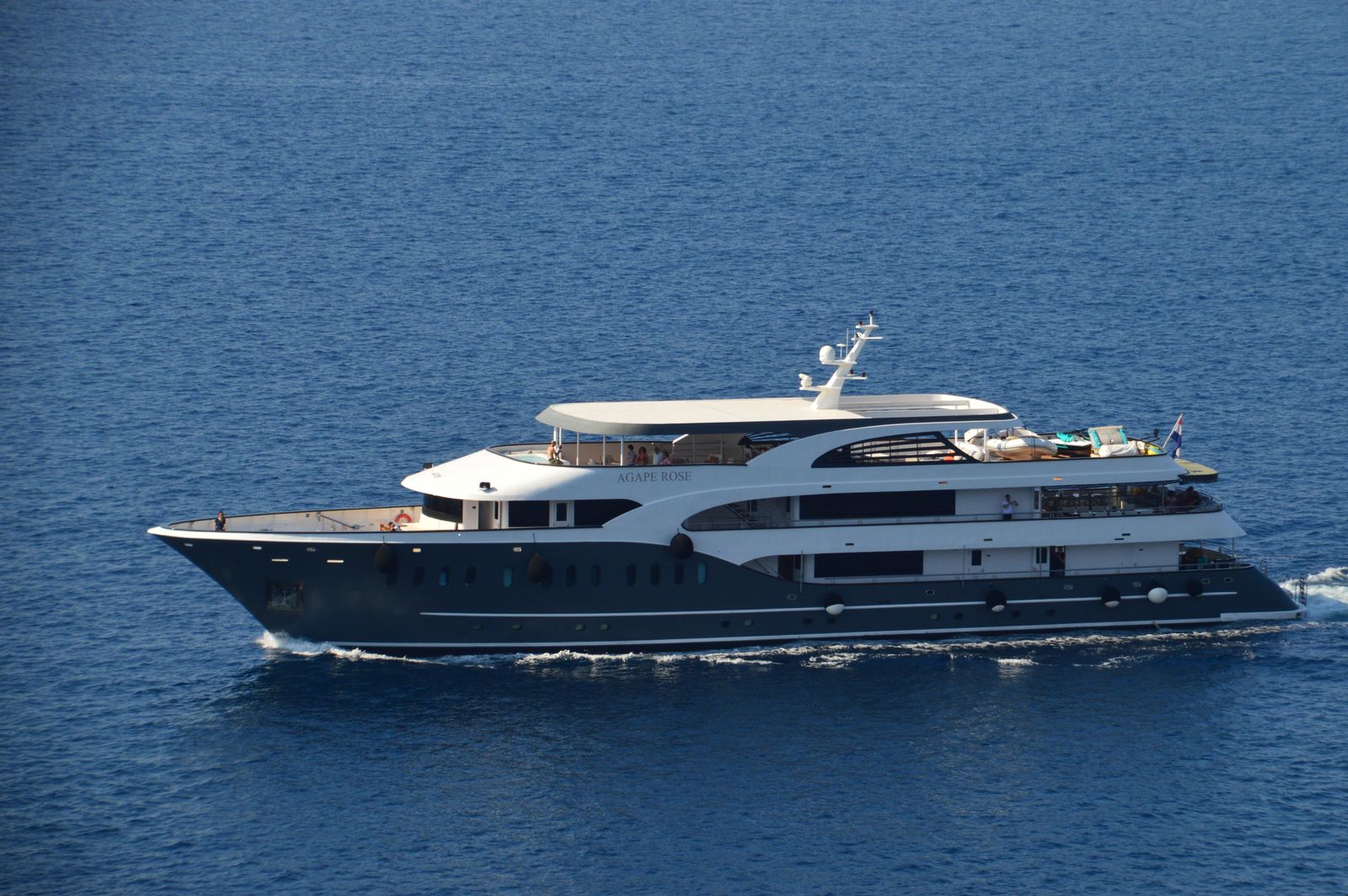
Start with the guest rhythm before selecting a hull.
A yacht charter can look simple from a distance: pick a destination, choose a beautiful vessel, confirm dates, and let the water do the work. In practice, private charters succeed or disappoint on details that are less photogenic than the aft deck. Children need safe movement and flexible meals. Grandparents may need easier tender transfers. Couples may want privacy from the larger group. Executives may need quiet work windows and reliable connectivity. A milestone birthday may require celebration energy without making every day feel programmed.
The early question is not “Which yacht is best?” It is “How does this specific group want to live for a week?” Once the answer is clear, the shortlist becomes sharper. A yacht with dramatic interiors may be wrong if the cabins create awkward guest hierarchy. A famous route may be wrong if sea state makes half the group uncomfortable. A high-gloss crew profile may be wrong if the guests need warm family pacing rather than formal service. Quiet luxury is often the absence of friction.
The itinerary should protect the mood, not prove how much can be seen.
First-time charter clients often overvalue distance. They imagine a private yacht as a way to collect islands, ports, beach clubs, restaurants, and anchorages in one elegant sweep. That can work for an energetic couple or a group that enjoys movement. For families, multi-generational trips, and high-pressure principals who actually need rest, a slower route is frequently more luxurious.
A disciplined charter route considers prevailing winds, tender time, marina congestion, protected anchorages, customs formalities, fuel assumptions, guest sleep patterns, and how many nights should feel settled. It also considers the emotional purpose of the trip. A family reunion may need predictable swim stops and unhurried meals. A honeymoon may need privacy and soft transitions. A corporate retreat may need calm mornings, one memorable group experience, and enough downtime for conversations that were the point of the trip all along.
Beautiful cabins still need a social plan.
Cabin count alone is not enough. Private clients should review bed sizes, bathroom access, noise, stairs, crew proximity, ceiling height, storage, child suitability, and whether cabins are genuinely equivalent for adult couples. On land, a group can sometimes smooth over bedroom differences with separate villas, resort suites, or a larger estate. On a yacht, the hierarchy is more visible. The principal suite may be obvious, but the third or fourth cabin can become the quiet source of resentment if expectations were not managed before signature.
For families, ask whether children are old enough for the proposed cabin layout and whether nanny or security needs are realistic. For couples’ trips, clarify who is comfortable with twin beds, smaller heads, or lower-deck positioning. For private concierges and family-office teams, a written cabin allocation conversation before the contract can prevent an expensive yacht from feeling politically careless.
Crew chemistry matters as much as yacht specifications.
Look for patient service, flexible meals, safe water-toys supervision, child-aware tender planning, and a captain comfortable adjusting pace when the group needs less movement.
Privacy, intuitive service, quiet anchorages, romantic dining rhythm, and low-friction transfers are often more important than a packed route.
Confirm Wi-Fi assumptions, quiet work areas, meeting-style seating, discreet service, privacy from neighboring yachts, and a route that respects arrival and departure pressure.
Review sound policies, chef range, bar preferences, water-toy safety, local regulations, and whether the yacht can host the desired energy without annoying the marina or crew.
A sunny forecast is not the same as a comfortable charter.
Seasonality shapes yacht charters in ways that are easy to underestimate. Mediterranean summer brings glamorous ports and strong demand, but also heat, crowding, strict berthing pressure, and premium pricing. Caribbean winter can offer beautiful sailing windows, but holiday weeks compress choice and storms still require route flexibility. Shoulder seasons may deliver privacy and better availability, yet restaurants, marinas, and shore experiences must be checked carefully.
Sea state deserves direct attention. A client who loves resorts may not love multiple hours underway in chop. A group with young children or older guests may prefer shorter legs, protected waters, or a route designed around calm anchorages rather than famous names. Private aviation can improve access, but it cannot make an exposed anchorage comfortable or change weather windows. The smartest charter brief treats movement as part of the luxury product, not merely the way to reach the next photograph.
Know what the weekly rate does and does not include.
Yacht charter pricing can be misunderstood by clients who are used to resorts or villas. The weekly charter rate is only the starting point. Advance provisioning allowance, fuel, dockage, delivery fees, VAT or local taxes, gratuity norms, communications, premium food and beverage requests, repositioning, special equipment, and shore-side experiences can materially change the final spend. This does not make yacht charters poor value; it makes clarity essential.
Before approving a shortlist, compare not just headline rates but the likely all-in profile for the actual route and guest style. A yacht that looks slightly less expensive may be less suitable if it requires more fuel, less comfortable cabin allocation, or route compromises. A more expensive vessel may be justified if the crew, stabilizers, toys, tender, and layout reduce risk for the specific group. Luxury buyers should not be surprised by the cost structure after they have emotionally chosen the boat.
Pressure-test the yacht before comparing décor.
Considering a yacht for a family, honeymoon, retreat, or celebration?
Use Calvara’s free six-question Trip Direction Finder for an immediate browser-only recommendation based on your people, pace, priorities, and budget. It does not submit a trip request, send your answers, or promise manual review or follow-up.
Affiliate disclosure: Calvara Travel may earn compensation from partner bookings. No partner approval is implied unless a real approved link or relationship is shown.